So I deal with my good old Powershot and make the best out of it. And there are three things which are helping me with this task:
- First of all the Canon Hack Development Kit or CHDK. This is a small software you can load onto your SD card which tweaks your Powershot a little bit. Longer exposures, RAW-Pictures, higher apertures, bracketing and a lot of more stuff. You will find two 50s exposures in the picasa-album >> check the stars on the brighter picture.
- Another great help is Igor. This is my Oregon 300 GPSr which is quite handy if you try to geotag your pictures. Just record where you are going, sync the clock with your camera and later on you assign geolocations to the taken pictures by software - GPicSync. No more "Hmmm ... where have I taken this one?"
(If you ask yourself why I call it Igor there is a good read at hand: The Selected Works of T.S. Spivet. The little T.S. calls his GPSr "Igor") - Now it get's tricky. There are these amazing views which just don't want to be taken on a single picture. Either you are praying for a fish-eye lens to materialise in front of you or - even worse - the lighting is so dynamic that your camera can't deal with it.
The solutions to these two are quite simple if you think a little bit ahead. Take some more pictures and later on software does the trick.
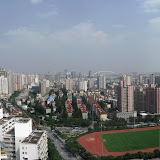
Panorama stitching is quite common but don't go for the Canon Stitch which comes along with your PowerShot. You should use Hugin instead which gives you way better results as you can see on the "Melbourne Central" picture (It's made out of 30 pictures) and it's for free!
The second software is called Qtpfsgui and composes a high dynamic range picture out of a series of exposure bracketing (also freeware). For this one you do need a tripod to take the pictures otherwise it doesn't work. Make sure you have nothing moving in your picture like clouds otherwise you will get a lot of noise in it. The "Remarkable Rocks" HDR was one of those. The software has a noise reduction filter but you just loose contrast along with it.
... and now I gotta go outside: Bright Beaches, Waves, Sunshine, 30°C, Ice-Cream, Palm-Trees and A Wonderful Girl :o)
 |
| HDR and Panorama |

No comments:
Post a Comment